Contents
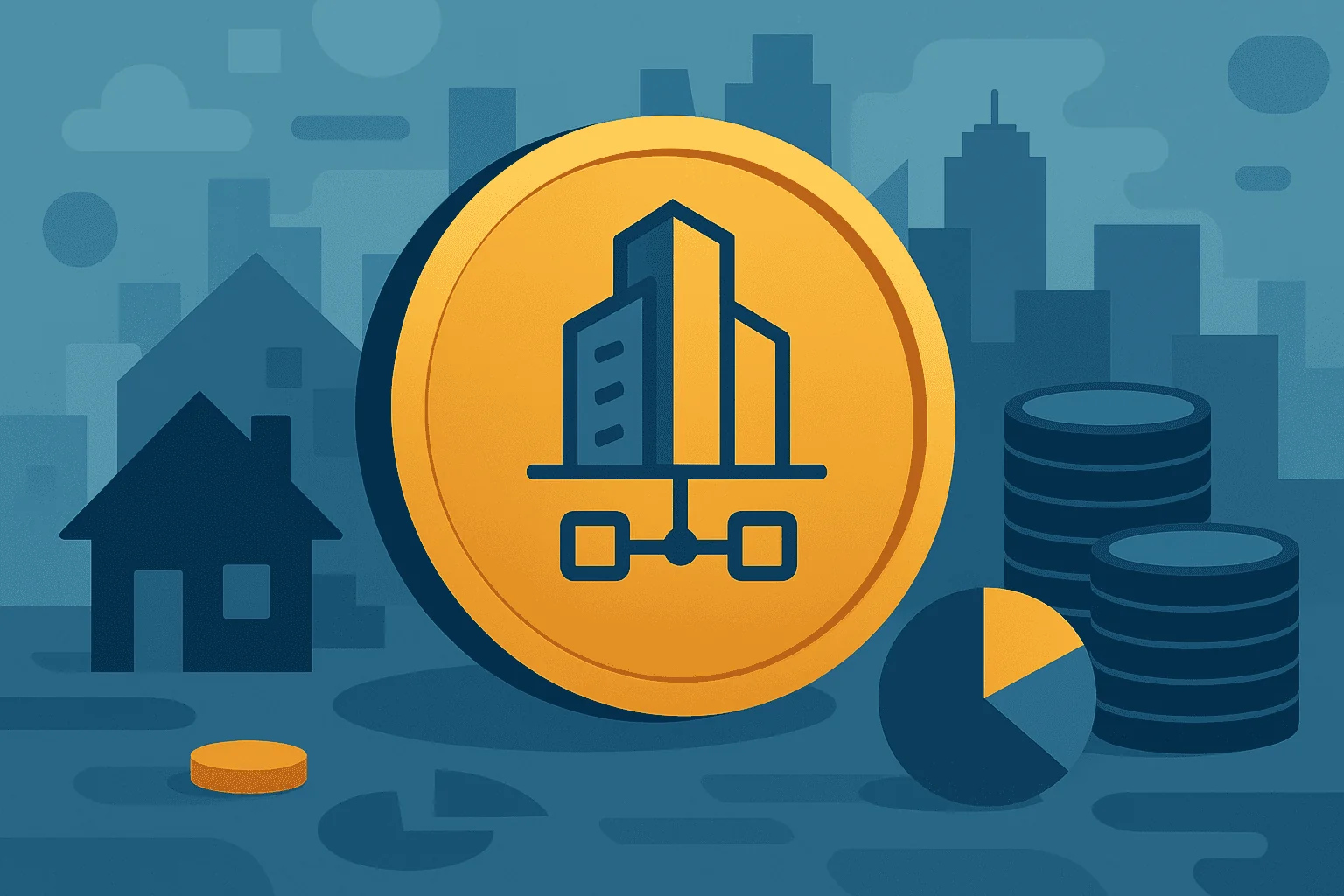
Real-World Asset (RWA) tokens turn physical value into on-chain instruments. They bridge traditional finance with crypto rails, enabling liquidity, fractional ownership, and new ways to borrow against assets like receivables, real estate, or trade finance. This article breaks down what RWA tokens are, how they function, and what investors should consider before allocating capital.
Understanding the basics
RWA tokens are digital representations of real-world assets on blockchain networks. They’re created through a process called tokenization, where a legal structure and custodial arrangements link a token to an underlying asset. Unlike purely digital tokens, RWAs carry exposure to tangible value and often rely on off-chain processes for enforcement, reporting, and settlement.
Two elements anchor RWAs: custody and compliance. Custodians hold the physical or financial asset, while on-chain contracts govern transfer and ownership. Compliance rails—KYC/AML, asset-backed guarantees, and regulatory licenses—help align these tokens with traditional markets. In practice, investors trade RWA tokens on crypto marketplaces or traditional platforms that have integrated blockchain rails.
Why RWAs matter for the mainstream crypto ecosystem
RWAs bring real assets into the liquidity engine that powers DeFi. They can improve yield opportunities for conservative investors and unlock capital tied up in illiquid assets. For originators, tokenized assets offer faster settlement cycles, better visibility into ownership, and automatic compliance reporting. For borrowers, they provide alternative collateral and more transparent terms.
Common asset classes in tokenized form
RWAs span several categories, each with distinct risk and return profiles. A practical approach blends diversification and due diligence:
- Trade finance receivables: Tokens represent right to payment from buyers, backed by invoices and reconciliation data.
- Real estate income streams: Tokenized deeds or shares in rental income through securitized structures.
- Supply chain assets: Inventory or equipment financed with tokenized liens or receipts.
- Asset-backed securities: Tranches tied to pools of loans or leases, similar to traditional securitization.
- Fine art and collectibles: High-value items backed by appraisal and custody, though liquidity varies.
Benefits and risks in plain terms
RWA tokens offer tangible upshots when done well, but they carry specific risks. Here’s a concise view to guide quick assessments and deeper research.
- Benefits: Improved liquidity, fractional ownership, on-chain governance, auditable provenance, and faster settlement compared with traditional paper-based processes.
- Risks: Legal enforceability across jurisdictions, custody risk, dependence on off-chain data feeds (oracles), and counterparty risk from originators or sponsors.
Practical risk checks help separate robust projects from flaky ones. Look for clear legal structures, audited financials, transparent custody arrangements, and verifiable off-chain data feeds. A token that relies on a single custodian or opaque legal framework should raise caution signals.
How to evaluate a real-world asset token
A disciplined start helps you avoid mispricing or hidden leverage. Use this ordered checklist to structure your due diligence:
- Identify the underlying asset: Is there a verifiable claim and a credible custodian?
- Read the tokenomics: What is the distribution, governance, and redemption mechanism?
- Review legal structure: Is the asset held in trust or by a special purpose vehicle (SPV)? What jurisdictional guarantees exist?
- Assess custody and insurance: Who holds the asset? What insurance covers loss or damage?
- Examine data and oracles: How is asset value updated? What happens if data feeds fail?
- Check regulatory alignment: Are licenses and filings up to date? Does the project publish periodic compliance reports?
- Scrutinize liquidity: What markets list the token, and what are the bid-ask spreads?
- Evaluate counterparty risk: Who are the originators, sponsors, and partners?
In practice, robust RWAs publish a full due-diligence packet, including custody letters, legal opinions, and insurer certificates. You should be able to trace a token from the on-chain contract to the physical asset and back again without guesswork.
Technology and governance behind RWAs
Blockchain enables traceability and fractional ownership for RWAs. Most projects lean on smart contracts for yield distribution, collateral management, and stepwise liquidation in distress scenarios. Governance often involves token holders voting on material changes—such as fee adjustments, collateral parameters, or asset reallocation.
Asset provenance hinges on oracles that feed on-chain data from off-chain sources. A reliable oracle scheme reduces the distribution of risk by providing timely, verifiable asset valuations and status updates. Yet, every bridge between off-chain and on-chain layers introduces a potential point of failure. Therefore, redundancy and third-party attestations are common guardrails.
Market dynamics and how to participate
RWAs are not a speculative rocket ship. They’re about steady streams, risk-adjusted returns, and longer investment horizons. If you’re considering exposure, map it against your overall risk budget and liquidity needs.
Investors join RWAs through three main routes: direct token purchases on specialized marketplaces, participation in funds that aggregate RWA exposure, or via structured notes offered by traditional banks that tokenize payments or cash flows.
Operationally, a prudent approach blends risk management with diversification. Start with a small, diversified sleeve of RWAs and gradually expand as you gain comfort with the data reliability and legal protections.
Regulatory landscape and safety nets
Regulation shapes what RWAs can do, where they can operate, and how investors recourse losses. Some jurisdictions treat tokenized assets as securities; others classify them as digital commodities or hybrid products. A growing number of regimes require clear disclosures, custody standards, and periodic audits.
Safety nets vary by product. Common features include:
- Custody guarantees: Insured safekeeping of the underlying asset or its cash flows.
- Audit trails: Independent audits of asset values and performance.
- Disclosure standards: Regular reporting and material information access for investors.
- Dispute resolution: Clear paths for recourse in case of mismanagement or insolvency.
Practical takeaways for readers
RWAs sit at the intersection of real assets and blockchain efficiency. They’re best suited for investors who can tolerate slower liquidity in exchange for more predictable income streams and clearer asset visibility. The right RWA strategy depends on asset type, jurisdiction, and the quality of governance.
Two quick scenarios illustrate the space in action:
Scenario A: A small business signs a discounted invoice and tokenizes the receivable. An investor buys the token, receives a stream of payments as the buyer settles, and enjoys higher transparency about payment status via the on-chain ledger.
Scenario B: A real estate SPV tokenizes rent payments from a diversified building portfolio. Token holders receive monthly distributions and benefit from a transparent cap table and mortgage servicing data embedded in the contract.
Table: Notable RWAs landscape snapshots
Below is a concise view of representative platforms, asset types, and governance features to compare at a glance.
| Platform / Network | Asset Type | Custody & Compliance | Governance | Comment |
|---|---|---|---|---|
| Platform A | Trade receivables | SPV custody + insurer | Token holders vote on asset pools | Solid data feeds, moderate liquidity |
| Platform B | Real estate income | Trust structure, global KYC | Annual governance rounds | Stable yields, high disclosure |
| Platform C | Asset-backed securities | Custodial bank partner | Transparent reporting portal | Expanded investor base, complex costs |
| Platform D | Inventory / supply chain | Logistics custodian + insurance | Frequent rebalancing proposals | Liquidity depends on buyer network |
Stepping into RWAs with clear sightlines
Real-World Asset tokens aren’t a shortcut to get rich. They’re a practical path to unlock value trapped in conventional assets. The key is rigorous due diligence, clear legal scaffolding, and a governance model that aligns incentives among custodians, sponsors, and holders. As the ecosystem matures, expect more standardized disclosures, better cross-border alignment, and sharper liquidity for higher-quality assets.
For readers aiming to add RWAs to a diversified portfolio, start small, focus on verifiable data, and prefer platforms with independent audits and transparent custody arrangements. The frontier is real, and the payoff hinges on rigor, not hype.